There is hardly any representation and acknowledgment of the artists from the oppressed castes in India. There is hardly any evidence of India’s contribution in any art and design movement in the modern era. The global representation of the collective expression of India is still mediocre and limited to the exploration and expression of brahminical aesthetics. They are so tied up with the arrogance of their mythical culture that they neither accept the aesthetics of the oppressed and indigenous communities nor acknowledge the global pool of artistic intelligence. They are stuck with romanticising on their mythology, celebrating the redundant colour palettes and justifying gods and goddesses as feminists, modernists, scientists and what not. And whenever they look at the west, they simply copy for easy profits. There seems to be no deep ideology or ethical manifesto that artists and designers follow in the subcontinent to create inspiring and important work.
If one visit any dalit-adivasi (Oppressed Castes and Tribals) basti, one will find something new and original in each household along with the kitsch that the predecessors of the oppressors have been flooding the markets with. Art in India is a property of a few Upper Caste and Upper Class people who seems to produce art only for their capitalist aspirations. The English-speaking dictators of the art business are still stuck with the mythical flying men, mediocrely represented arms and European Renaissance aesthetics appropriated by Indian artists in their mythological compositions.
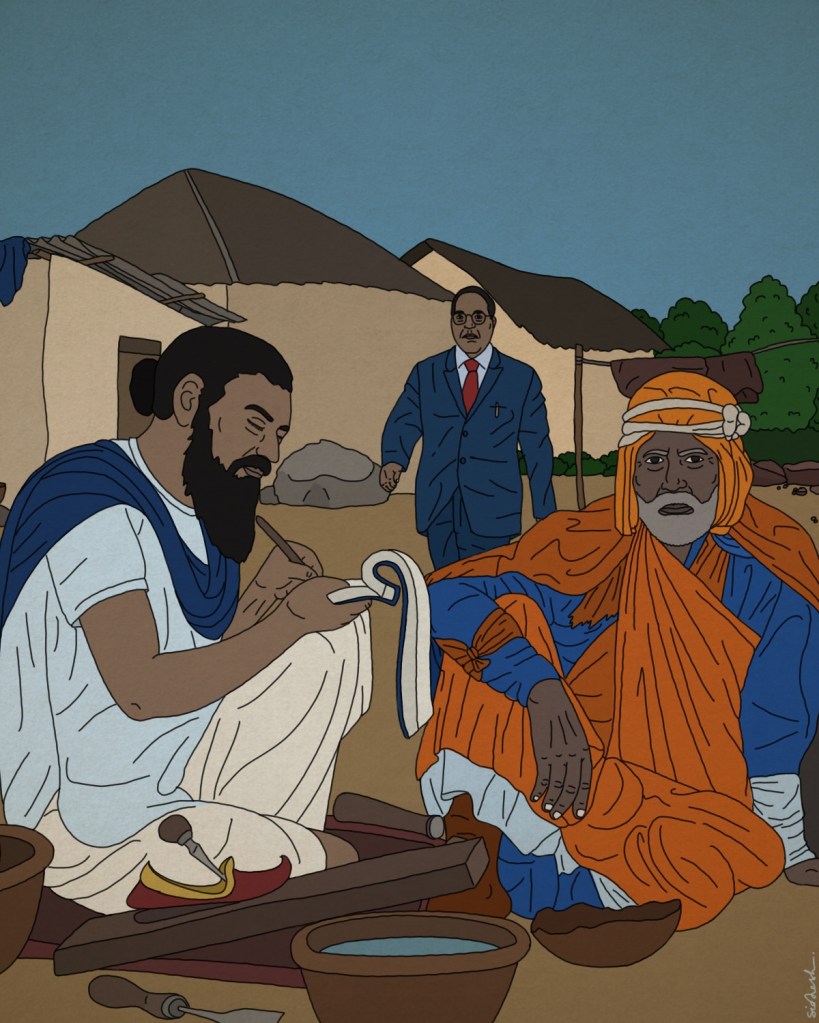
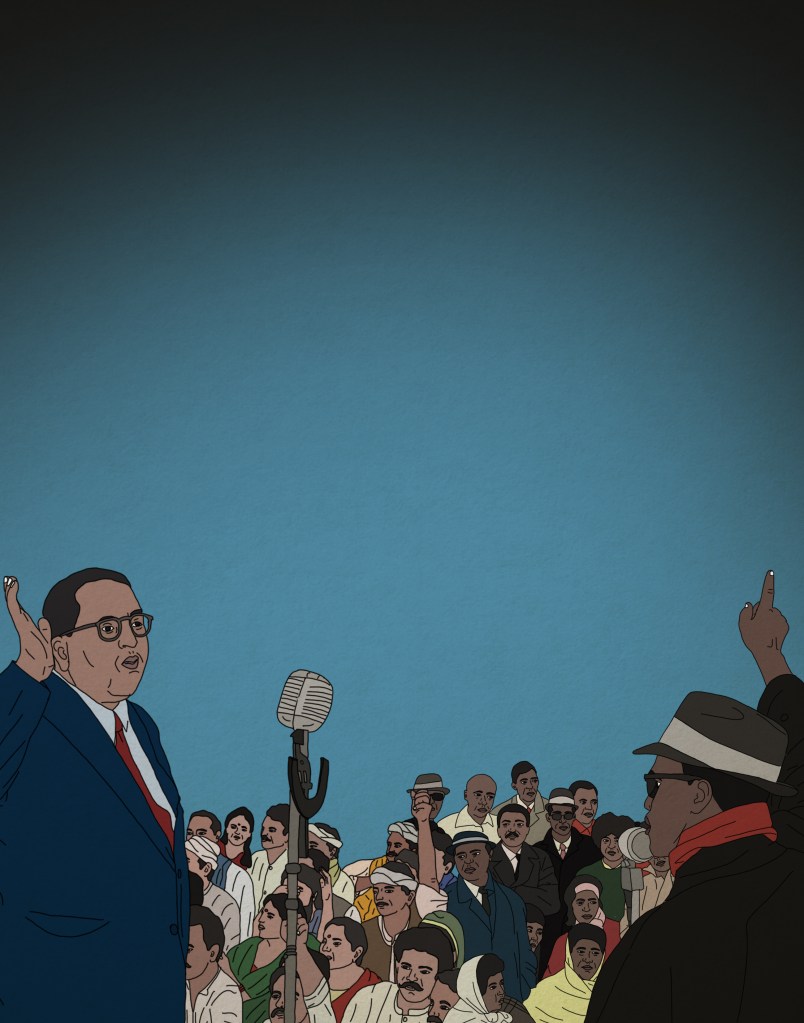
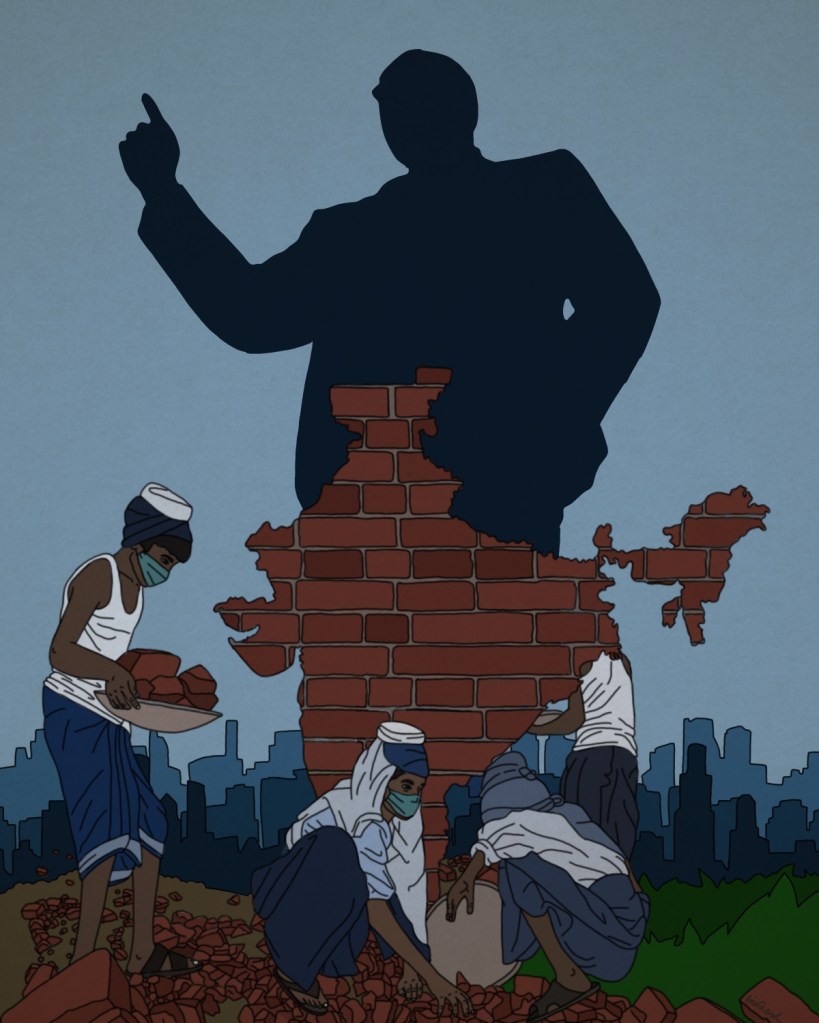
When a handful of the people have been monopolising the aesthetics and forcing the 80% of the population to buy and indulge in the aesthetics practiced by 20% of the population, we can’t document it as ‘Indian art’. I reject such notion of Indian art and Indian art history when the oppressed communities, who actually built their artefacts, temples, mosques, palaces, libraries and so on are not even mentioned in the history books, research papers and popular culture. I reject these so called ‘Indian aesthetics’ that rejects the sweat and blood of the real artists and craftspersons of the subcontinent. I am not interested in your redundant brahminised versions of art and aesthetics. We are the cactuses in the forests long ignored. It is time that we will make our presence noticed with the thorns that we adorn, the form that we develop into and the colours that we change.



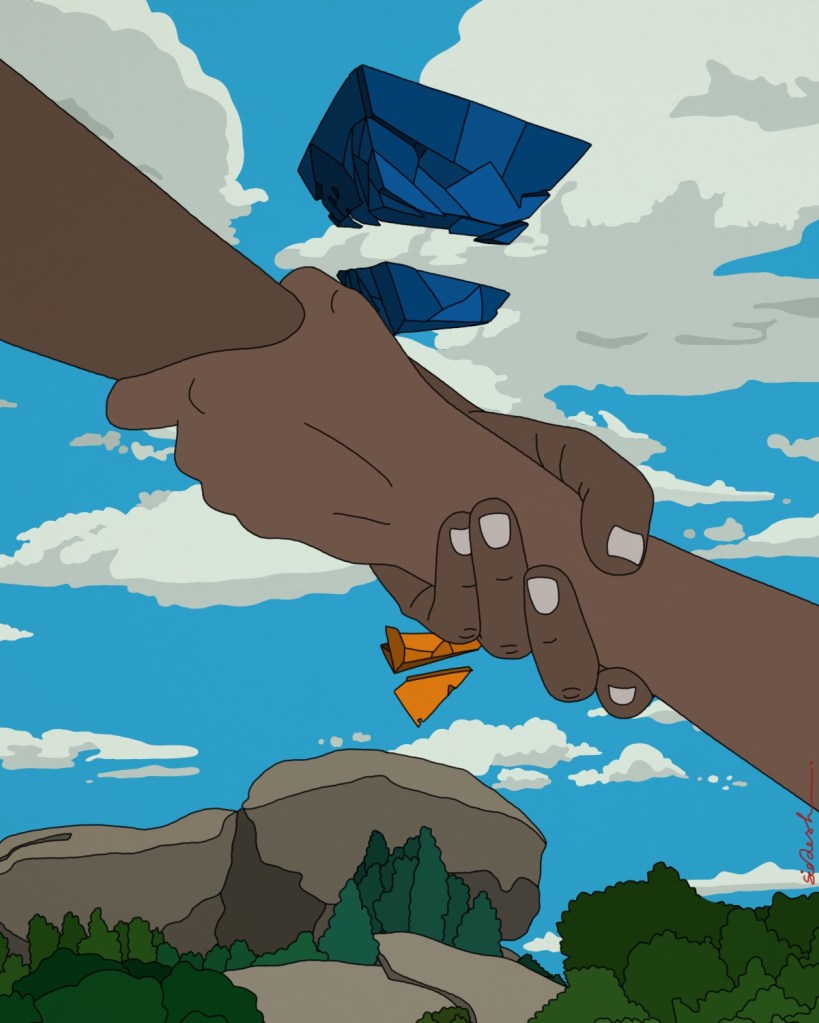

 siddhesh gautam